Our Shared Purpose
Why we do this together, when doing it alone would be easier.
Global Impact Diploma · Impact report 2025–2026
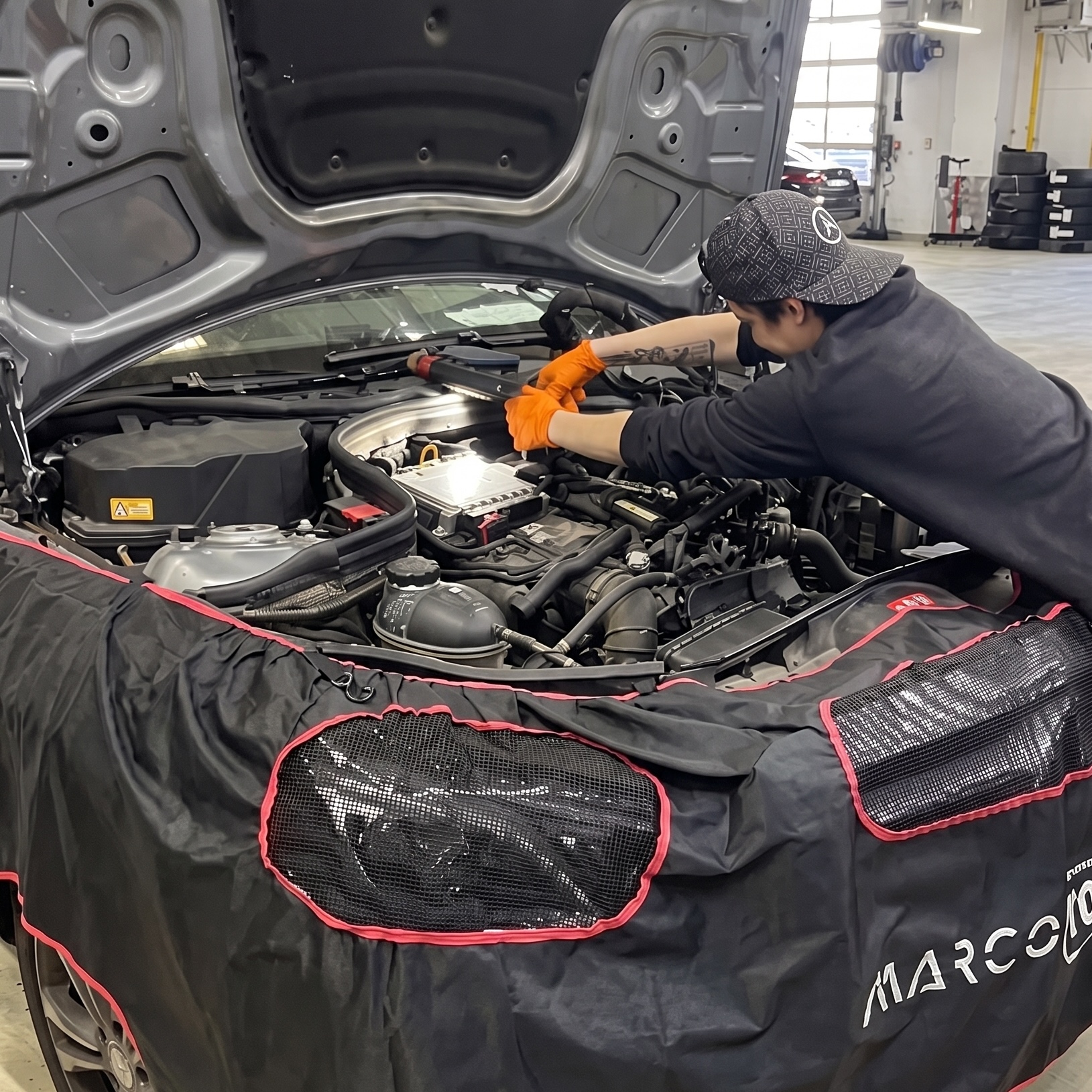
Last year, Thiago took three GID courses at Colegio Franklin Delano Roosevelt (FDR) in Peru. He designed meaningful projects like the one below.
This year, Thiago sits on our GID Board.
We are no longer just talking about giving students agency and leadership in the GID. Today, we're living it and building it together!
Although we still have plenty of work ahead of us, this first Impact Report is evidence of the movement we are all creating.
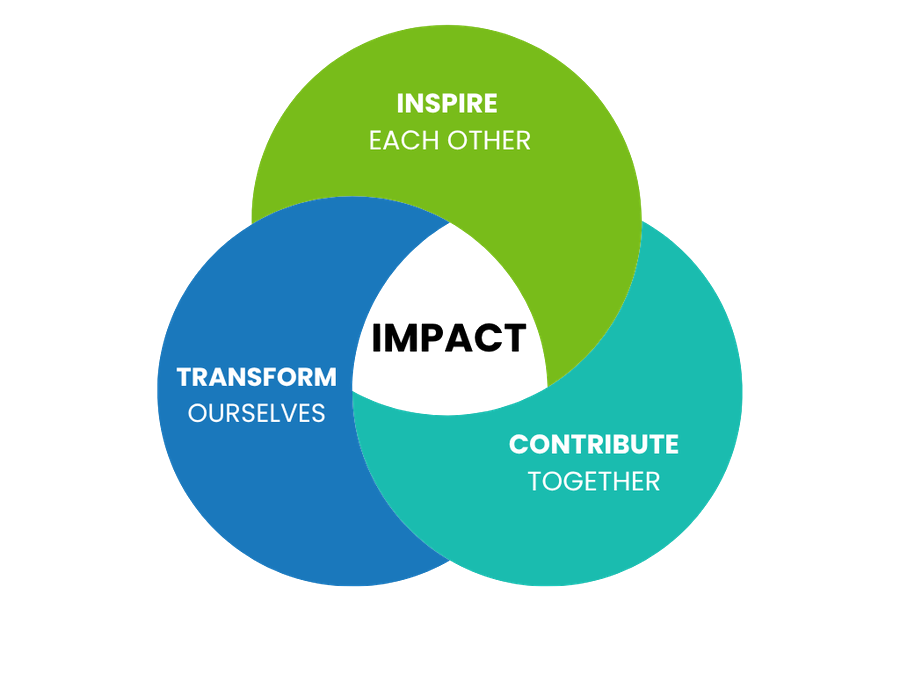
impact
noun [ countable noun, usually singular ]
uk /ˈɪm.pækt/ us /ˈɪm.pækt/
1The power of learning to transform ourselves, inspire each other, and contribute together.
Why we do this together, when doing it alone would be easier.
One year in. What's real, what's working, and what still needs work.
The plan for 2026–2027, made in the open, with students in the room.
What's in this report
Back to globalimpactdiploma.orgSection one
Every year the world seems to ask harder questions of us as educators. This year alone a new war broke out in Iran, old wars are grinding on in Sudan and Ukraine, there are energy shortages in Cuba, earthquakes in Venezuela, and heat waves and wildfires as I type this.
Many of these problems are on the doorsteps of our own schools. And yet, in a lot of our communities, the question that still gets asked most often is this one: how will we get our students into top universities?
Where students go after they graduate matters, and we work hard to help them find their best fit. But for us, the most meaningful question we can nudge students to ask is: what will I contribute once I am there? It is time to ask deeper questions and to tell a better story about what education is for. This year, in the GID, it has been an honor to do that with all of you.
Across our schools, educators have built learning experiences where impact is the achievement, rather than the grade. Through real projects, students are transforming themselves as leaders and contributing to their communities in ways large and small.
This impact report is more than a collection of accomplishments. We hope it serves as the start of a new story about what is possible when we all unite around a shared purpose and a clear moral imperative: that education should give every learner the agency to transform themselves and the tools to create meaningful impact together!
As you read through our first-ever Impact Report, it's important to remember what unites us as a GID Community.
We exist to prepare students to make a significant positive impact on the world by creating a collaborative diploma that empowers students with agency, generates meaningful learning experiences, and prioritizes well-being.
Favor building together over designing alone.
Favor productive tension over artificial harmony.
Favor purposeful experimentation over stagnation.
Favor meaningful contribution over vanity metrics.
“With the way that we learn, the GID is delivering leaders to the doors of universities.”
Maddie, from the American International School of Budapest on the
Blue Skies Leadership Podcast
The first Global Impact Diplomas will be awarded in May 2027. The portrait below serves as a roadmap as we develop a program rooted in agency, well-being and meaningful learning.
GID graduates are driven by a desire to contribute meaningfully to their communities and transform themselves in the process. They do not wait for permission to begin; they take initiative, persevere through uncertainty, and see problems as opportunities for impact.
They understand that meaningful impact design begins with and for others. They can identify problems worth solving and prototype thoughtful solutions that turn into real-world impact through experimentation and action.
They know that no important problem is solved alone. They can collaborate across cultures, perspectives, and disciplines, building trust, sharing leadership, and working with others toward a common purpose.
They lead with empathy and humility. They listen carefully, seek to understand, and consider the human consequences of their decisions. They recognize the dignity, experiences, and needs of the people and communities they serve.
And they can communicate with clarity, authenticity, and courage. They express ideas confidently, lean into moments of vulnerability, and see language as a way to share stories that matter.
They make time to step back and reflect honestly. Instead of focusing on vanity metrics, they have deep self-awareness. They learn from their successes and failures, consider the bigger picture, and continually ask themselves: Who am I becoming? Why does this matter? How can I contribute meaningfully to the world?
A GID graduate is not simply prepared for university or a career. They are prepared to live meaningfully, lead ethically, and contribute boldly to a world that needs collaborative changemakers more than ever.
The Global Impact Diploma is one of the first high school programs in the world to use a competency-based assessment model. This shifts the focus from traditional content mastery to demonstrating real-world skills and mindsets essential for contributing to and navigating our increasingly complex world.
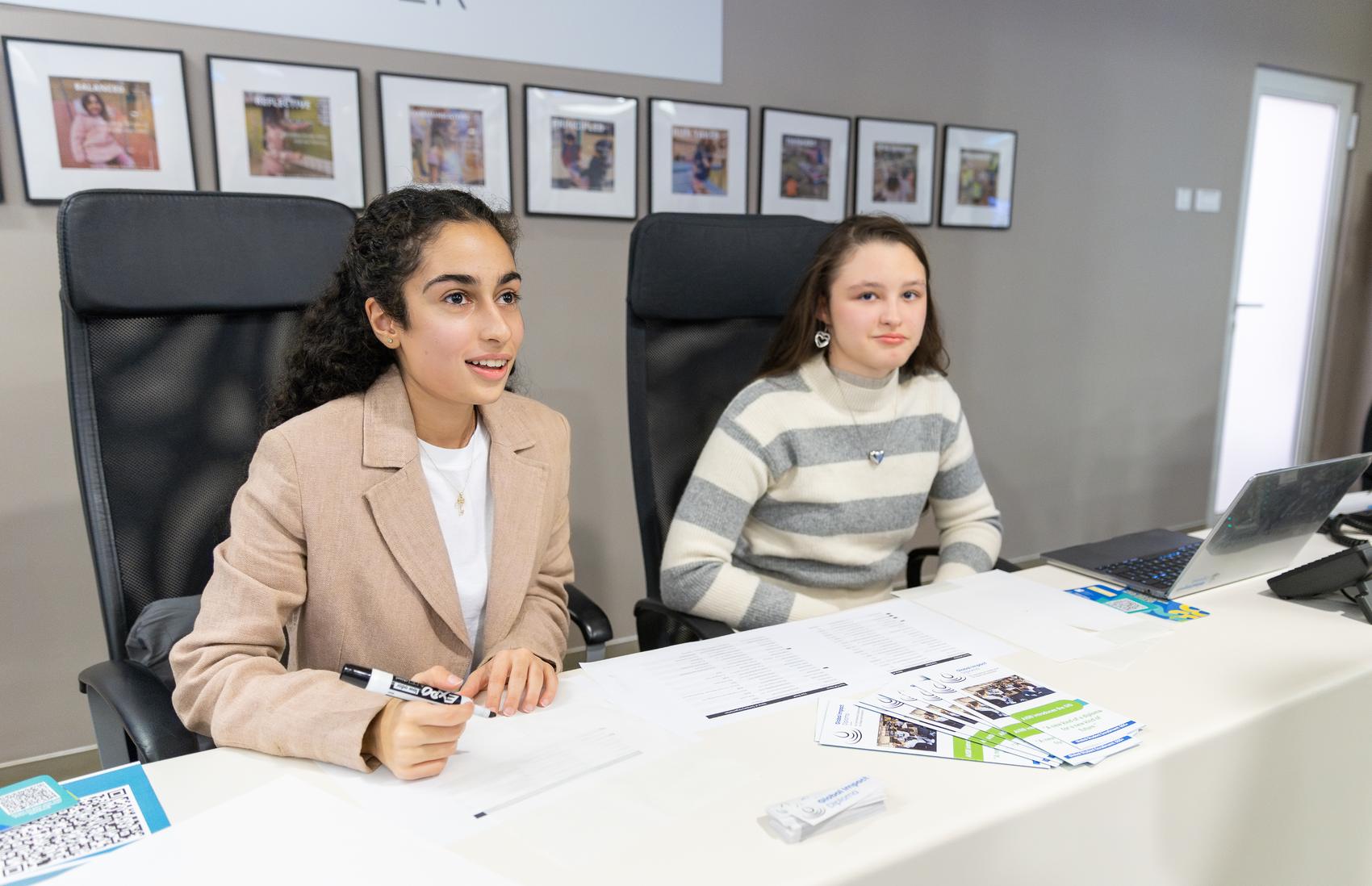
Real-world networking to find an internship experience.
Students running the check-in at an Internship Networking Night at the American International School of Bucharest, where they met and networked with adults from the community who could help them find their first internship.
Section two
You don't just join the GID,
you help build it.
Two years ago, none of this existed.
At the Pathways Summit in May 2024, educators from across our schools tackled this design question:
Could we build an innovative, collaborative diploma together?
It turns out we could. Because we did.
And we are grateful to the hundreds of educators that have helped bring the GID to life for our students.
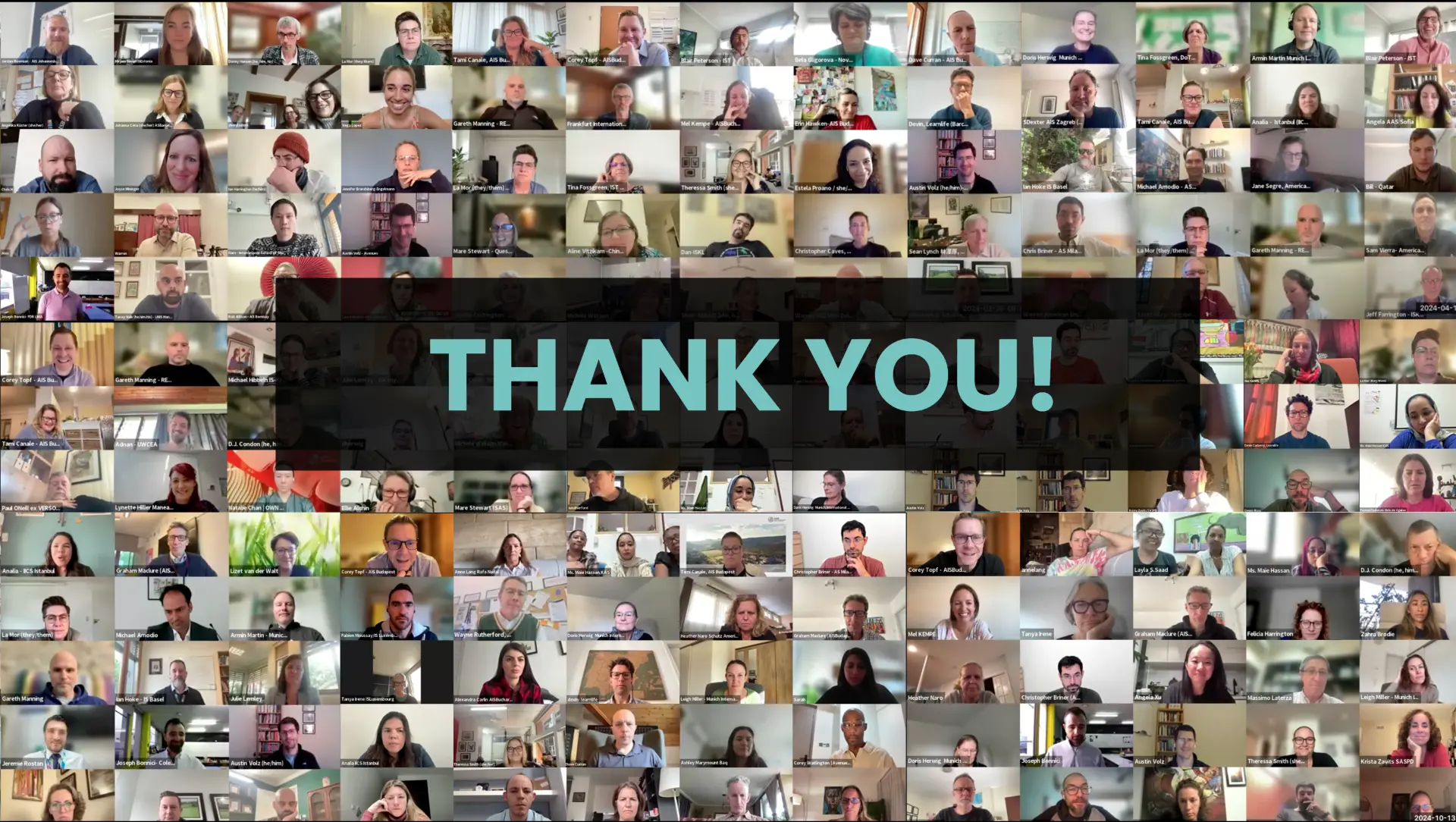
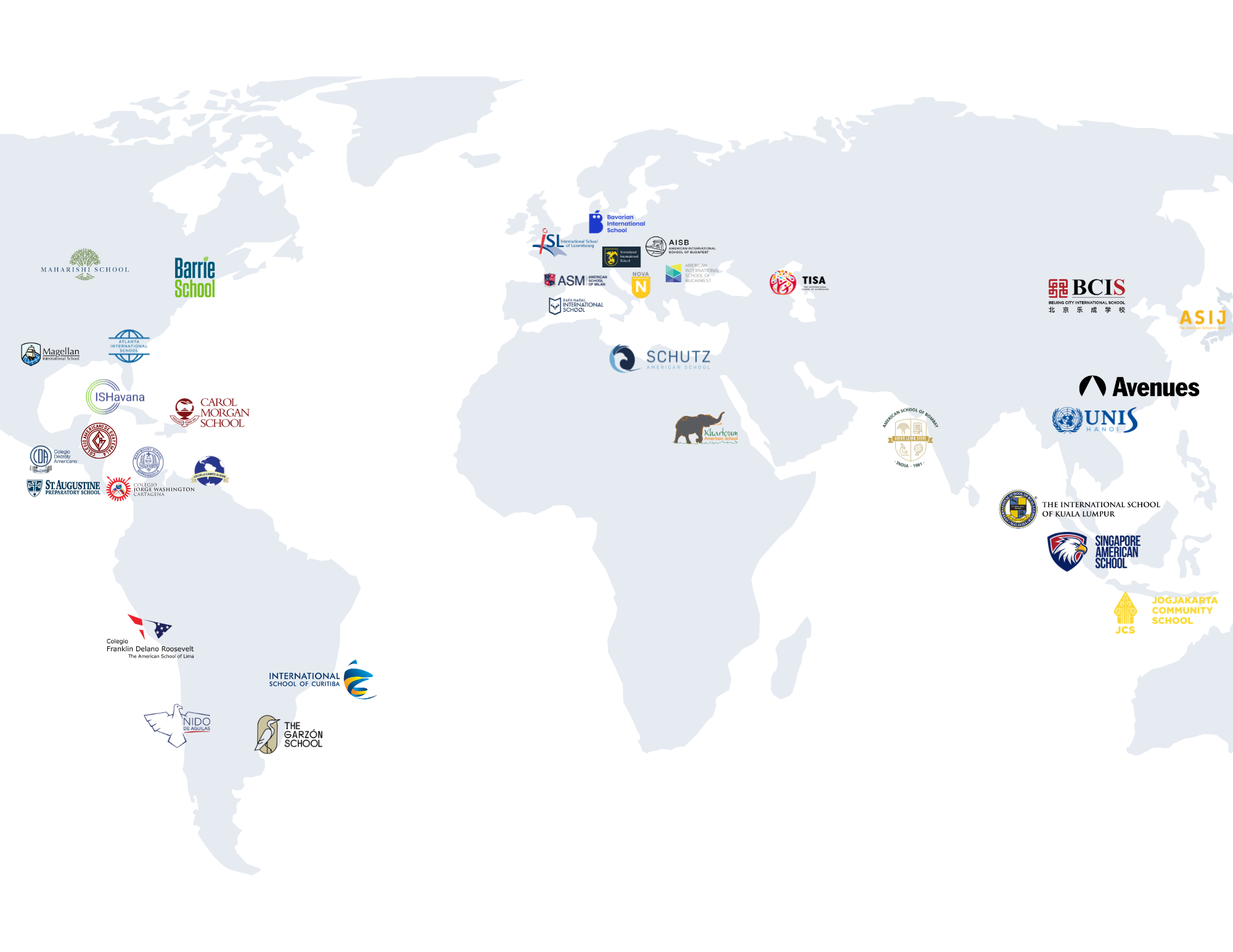
The enrollment numbers below are evidence of how much this ethos resonates with schools and students around the world. For 2026-2027, here is how our community will be growing stronger.
35
from 25
8
from 4
27
from 21
Something that really impacted me was when we had a Moth storytelling event about the stories we tell ourselves. This impacted me deeply because I had to come face to face with uncomfortable stories, and I had to reflect on how I could make those stories into something positive. Without that unit or even that presentation, I might not have ever tried to change them because they were hard to face. Turns out all I really needed to make a large change in my life was a little push. I went back and understood the negative stories that I was telling myself, I reflected on them, and then thought about ways to turn them into positive stories to actually benefit my life.
Grade 11 GID Student, from end-of-year survey
When Catalina, a first-year GID Diploma student from Colegio Franklin Delano Roosevelt (FDR), was presenting to the Board about her experience, she mentioned how much she appreciates the opportunity to take what she's learning in other courses, such as IBDP Psychology and IBDP ESS, and apply it to the projects she's doing in the GID.
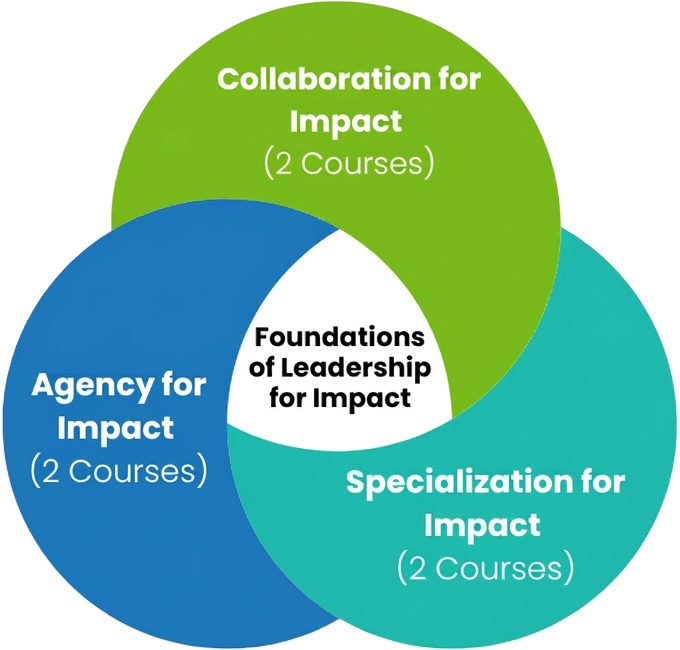
This captures the vision we had when we designed the Global Impact Diploma. Not only would students have opportunities to create meaningful impact in their GID courses, but students could also bring AP, IBDP, and others courses to life through our Agency for Impact and Collaboration for Impact courses below. Take a look at some key impacts from year 1 in our courses.
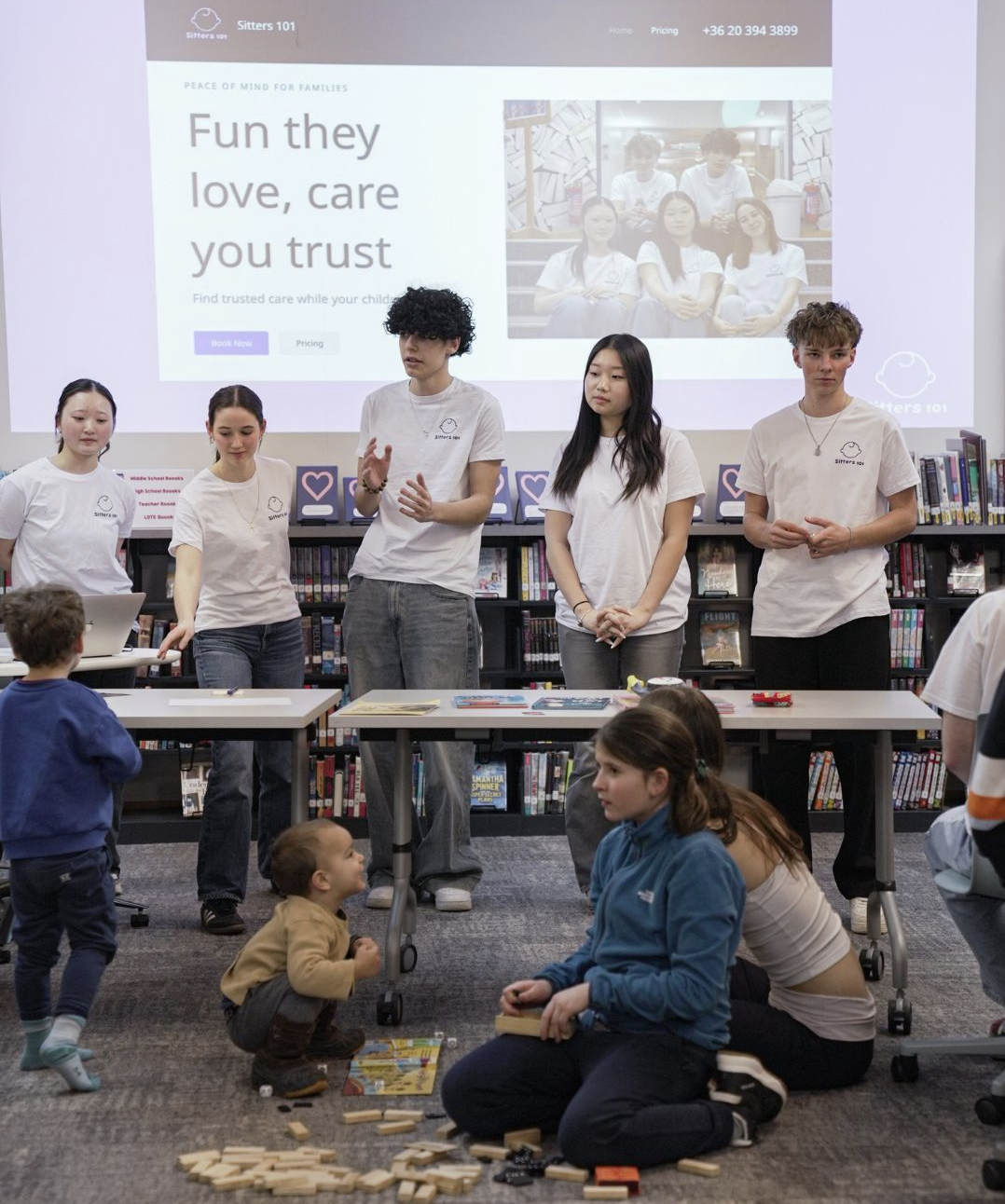
At the American International School of Budapest, Szebi used one of his leadership projects to learn more about the school's maintenance workers. He recruited friends. They wrote letters. And then they said thank you in person to each of them.
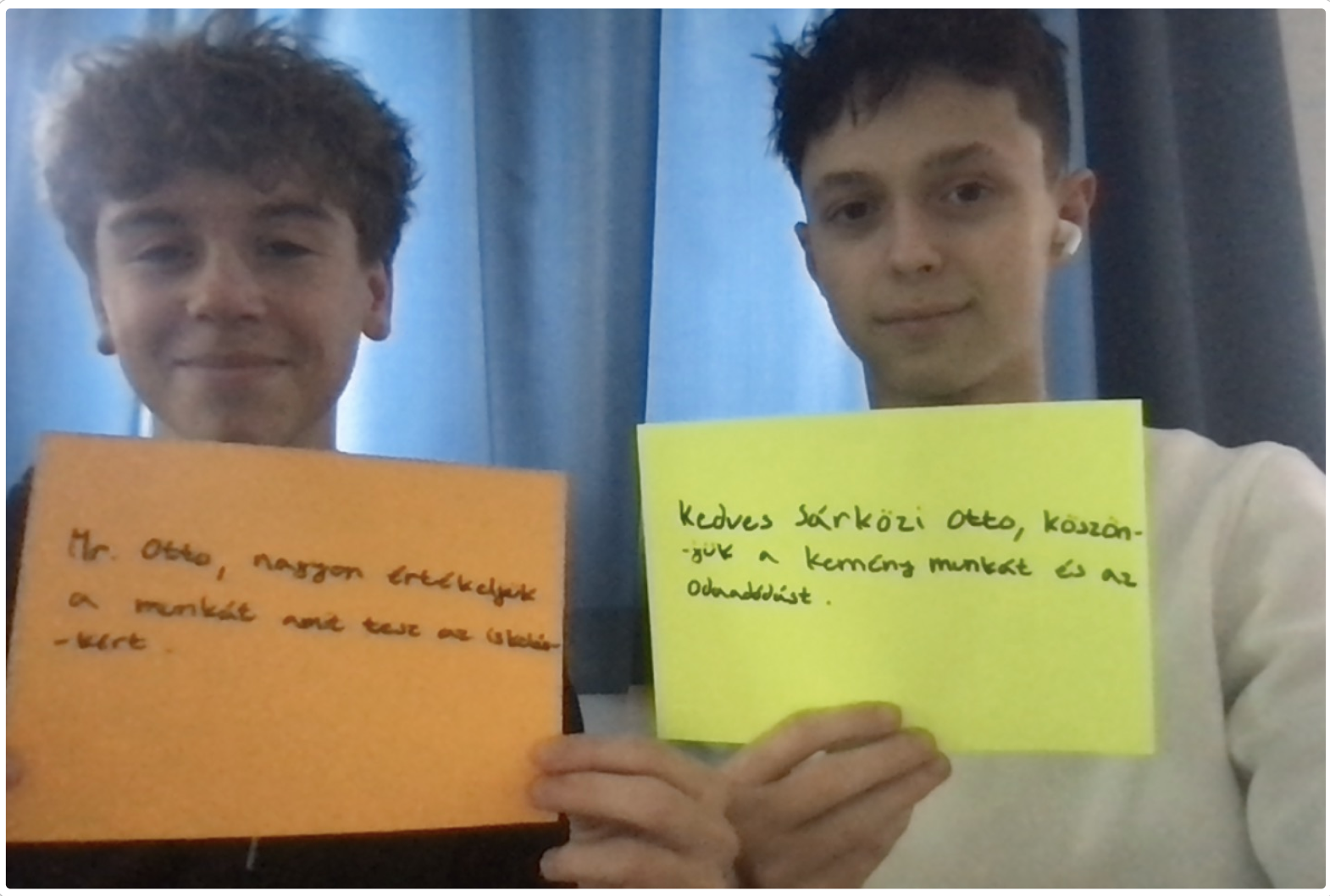
One student in particular moved from sympathy to empathy to compassion, getting to know our local maintenance workers and recruiting friends to show gratitude through letter-writing and giving thanks in-person.
Dom Verwey, American International School of Budapest
In the GID, we pride ourselves on iterating and improving. This is why we survey students and teachers frequently. Students, for example, asked for more hands-on leadership practice in the future and less repetitive documentation.
Students valued opportunities to practise leadership through real-world challenges, interviews, projects, and community-based action.
I value how the course encourages collaboration and real-world thinking. It helps me learn by doing and understand how my actions can create a positive impact.
The course supported personal growth by helping students clarify their values, develop self-awareness, and connect leadership to future goals.
It (the course) takes me out of my comfort zone and teaches me to be a better person.
Choice, autonomy, and collaboration increased students' sense of ownership and strengthened relationships within their school communities.
The course encourages us to do a leadership action in a community of our choice. This allows us to make an impact and help the community around us. I believe that this course is made so that you can shape it around your goals and step out of your comfort zone.
Teachers value the course's hands-on design, which connects leadership theory to authentic action, personal growth, and meaningful impact.
The learning decks provide valuable structure and clarity while allowing educators to adapt and reorganize materials for their students and local contexts.
Communities of Practice and cross-school collaboration help teachers exchange resources, address challenges, and contribute to the course's continued development.
Improve the clarity, purpose, and sequencing of tasks so students understand the course's overall direction.
Sometimes I feel that ideas are not really clear, as we are expected to know what we have to do... I guess that really is the premise of the course.
Adjust pacing to give students sufficient time to plan and carry out meaningful leadership actions.
I think that we aren't getting as much time as we could for each project. We are usually only given a week... making it fast paced and engaging, but hard to accomplish a good project in such little time.
Create a more centralized, accessible course structure with clearer sequencing, pacing guidance, and teacher-facing instructions.
Make tasks and resources more inclusive and accessible for diverse learners, particularly students with EAL needs and different learning preferences.
Strengthen competency assessment and student engagement by clarifying evidence expectations and expanding peer-to-peer, student-led, and cross-school learning opportunities.
| Course | Schools 2025–2026 | Schools 2026–2027 | Students 2025–2026 | Students 2026–2027 | Teachers trained |
|---|---|---|---|---|---|
| Leadership for Impact | 16 | 22 | 181 | 368 | 17 |
| Internship for Impact | 6 | 12 | 41 | 161 | 23 |
| Imperfect Art of Living | 17 | 29 | 281 | 679 | 38 |
| Entrepreneurship for Impact | 2 | 13 | 31 | 192 | 15 |
| Impact Project | 0 | 7 | 0 | 120 | 9 |
Scroll the table sideways to see every column.
Over the course of Year 1, students at GID Diploma Schools have been collecting evidence and reflecting on the various ways that they have contributed in their communities through their Impact Portfolios. In 2026–2027, the first graduating cohort of GID students will finalize their portfolios and present them in the Impact Exhibition, a defense and celebration of learning delivered to an authentic audience of mentors, family, and community members.
I am very grateful to be part of a GID Collaborative School and to participate in such an innovative and much needed approach to teaching and learning. It is incredibly rewarding to see my students thrive and grow through courses such as The Imperfect Art of Living and Leadership for Impact, even with our small number of students. I am especially excited about offering one of these courses to our Grade 10 students next year, and I believe the impact will be significant.
Osmery Martinez, International School of Havana
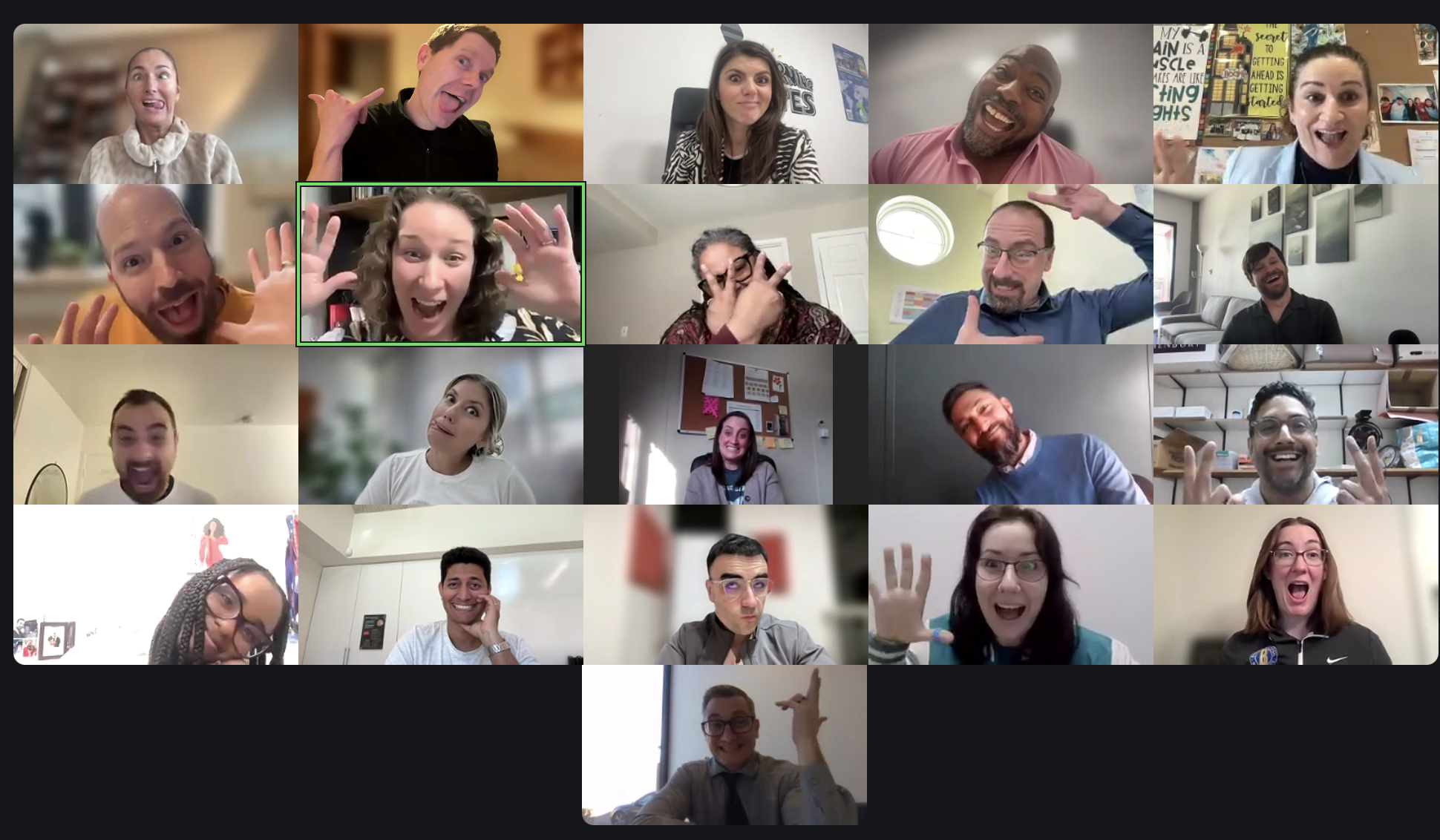
In May 2026, our GID Community came together online for four hours of jammin'.
112
32
30
We set the stage in the weeks leading up to it with stories of impact submitted from all over the world. And during the summit, we told stories of impact live like the three below.
We also gave a warm Chicago Bulls inspired welcome to our new GID schools.
At the end of the four hours, we left with a concrete vision of our core initiatives for 2026–2027.
Lead impactful experiences without our devices
Explore new ways to engage parents as partners in student well-being and flourishing
Amplify student voice and create more opportunities for authentic student leadership across our global community
We even found our inner poets. Read a few of the twenty-four Impact Haikus written at the Summit:
Reflecting todayFor connection tomorrowAn impact for all
We inspire mindsTogether we build and growWe become as one
Think beyond limitsAct with purpose and courageChange begins with us
Students lead the wayMeasuring the change we makeOur ripple effect
Impact awed myselfImperfect life also thrivesI now have power
Your thoughts give me mineKindling hope into actionAnd ripples of light
Since the founding of the GID, a core question has been: how do we maintain high quality experiences across our GID schools? Communities of Practice and our GID Trainings sit at the heart of that work. Beyond supporting course implementation, CoPs and trainings create spaces where educators can learn from one another, navigate ambiguity together, build meaningful relationships, and continue refining GID courses through shared reflection and iteration.
For CoPs, this has meant small regional teams for each course, meeting virtually two or three times a semester to compare local approaches, share what was working and talk through what was not. The purpose is to create cross-school alignment and to keep making the courses better together.
GID administrators, coordinators and counselors met in their own Communities of Practice, covering the more programmatic side of the GID.
Across the year that added up to dozens of separate chances to connect, grow and collaborate globally.
Next year's Summit: Thursday, May 13th, 2027
With the extraordinary generosity of our founding school community, especially American International School of Budapest, Colegio Franklin Delano Roosevelt in Lima, and American International School of Bucharest, we have been able to keep expenses intentionally low during our first two years. Much of the leadership, curriculum development, training design, and community-building work has been contributed with a level of commitment that goes far beyond what our current budget could normally support.
This has also allowed us to begin building an initial operating surplus that will give us long-term stability.
Moving forward, our goal with member school fees is to build the GID in a way that is responsible, resilient, and capable of serving our GID Schools for many, many years to come.
Below is a financial snapshot of Year 1 along with the budget for Year 2.
Coming in
Going out
Coming in
Going out
The purpose for this initiative is simple but powerful. We want to use these grants to spread the great ideas that our students create. Through this program, GID students and teams will be able to apply for small grants to support meaningful initiatives locally and globally. We hope these grants will send the important message to students that their ideas are worth investing in. Even modest financial support can give young people the confidence to test a solution, collaborate with others, and experience what it feels like to turn empathy into action.
Schools and students can apply through the steps found below:
How meaningful and systemic is the issue? Is this a “problem worth solving” identified through empathy and research?
How many people will this reach? Will the impact be frequent and sustained, or just a one-time event?
Does your team demonstrate Collaborative Impact? Do you have diverse perspectives and a clear plan for working together?
Does the project prioritize solidarity over charity? Is it community-driven and designed to avoid reinforcing power imbalances?
What happens after you graduate? We prioritize projects with plans for long-term impact or ongoing maintenance.
Projects that address our GID Theme for 2026-2027 will also be prioritized:
How can we lead impactful experiences without our devices?
As we build the GID together, we have a unique opportunity to tell a different story about the future of high school education. Below are a few examples of how we're contributing to that conversation along with recognition for the impact we have already had.
In January of 2026, we were honored to win the Association for the Advancement of International Education (AAIE) Dr. Keith Miller Innovative Leadership Award.
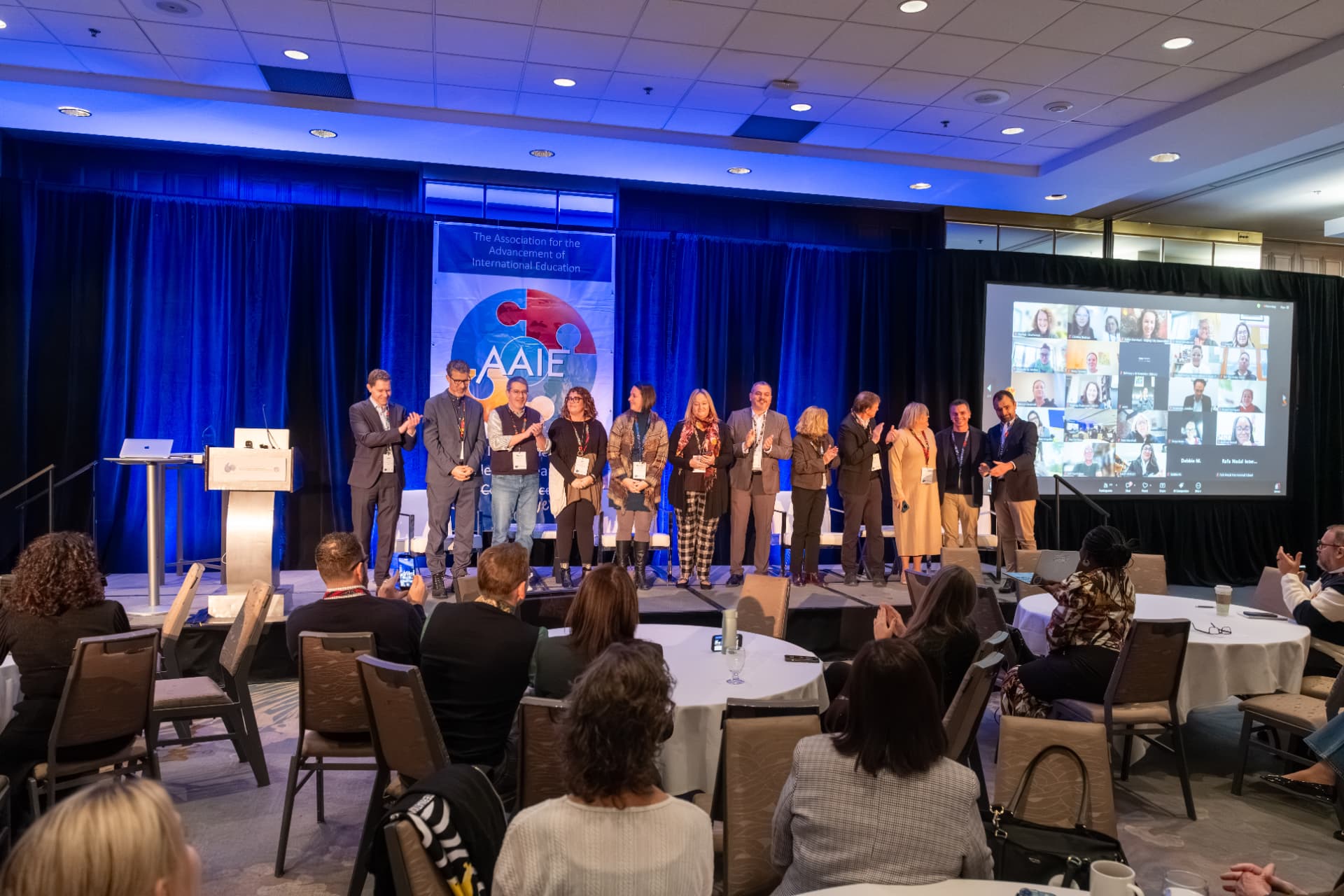
The Global Impact Diploma exemplifies what is possible when the international school community comes together around a shared purpose: innovative, human-centered learning that prepares young people not only for university, but for meaningful lives of contribution.
Association for the Advancement of International Education (AAIE)
Section three
If you see a real octopus in the wild, one of the first things you’ll notice are its huge, inquisitive eyes, often looking into the distance. At the same time, its tentacles are experiencing, exploring, and manipulating its surroundings. If it needs to, the octopus will change its color or texture, or reshape itself based on what it learns about the immediate environment and what’s on the horizon. The animal’s intelligence and fluidity are beautiful and inspiring.
From Become an Octopus Organization by Jana Werner and Phil Le-Brun
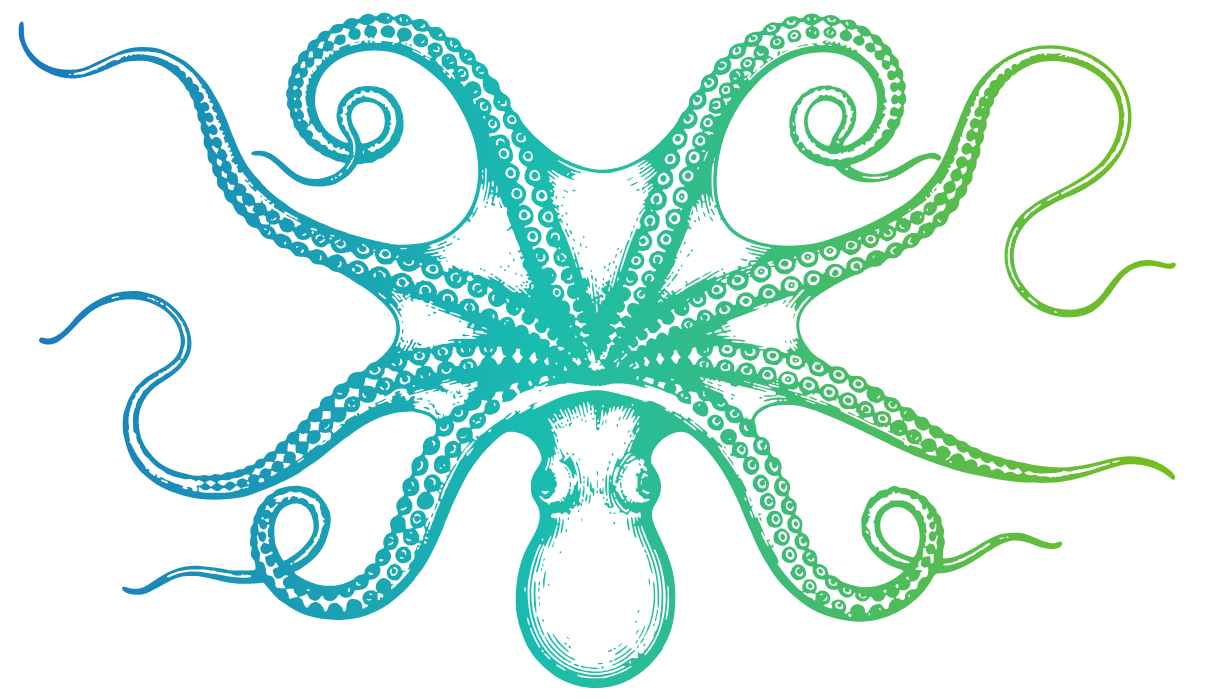
This is the culture we are building together in the GID. We want students, teachers, coordinators and school leaders to explore, experiment, and iterate, because this is where the deepest learning happens.
In the GID, we all need to get comfortable with uncertainty and learn to embrace the beautiful mess of building a learning community that continuously improves together. Leaning into imperfection and ongoing iteration is a sign that our GID community is flourishing!
The GID would not exist without the contributions from everyone in our community. Our organizational chart below highlights the critical role everyone plays in creating meaningful impact. Although students are at the heart of the GID, what unites all of us is IMPACT. That is why we have placed it at the core.
For 2026–2027, we have made some important iterations to our GID Leadership Teams that we hope protects our shared mission and ensures that the GID continues to be built for schools by our schools.
The iteration we are most excited about is embedding student leaders at every level of the GID.
Two students are voting members on our GID Board. Two interns are working with our GID Directors, and three students are building new initiatives as GID Project Leads. We will also have several student marketing interns.
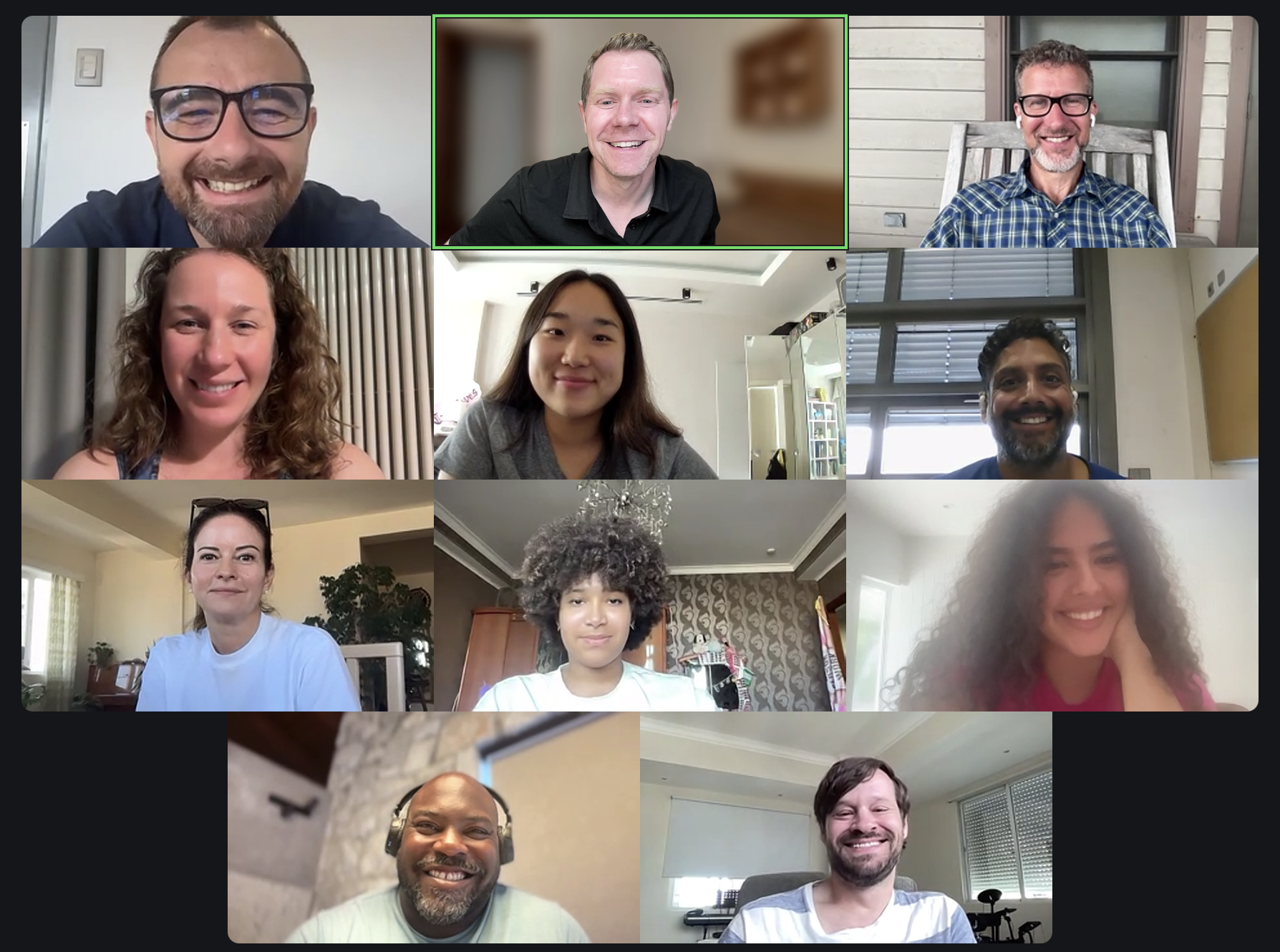
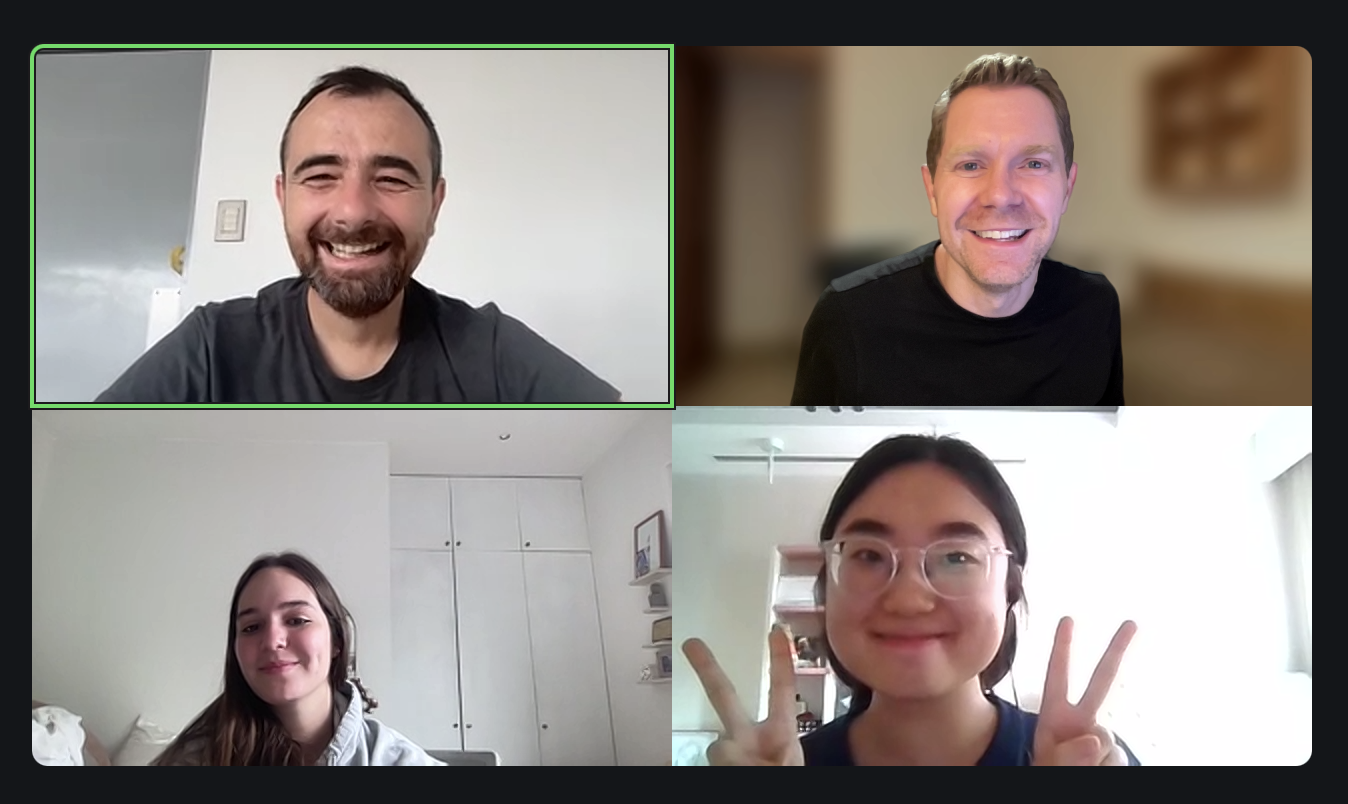
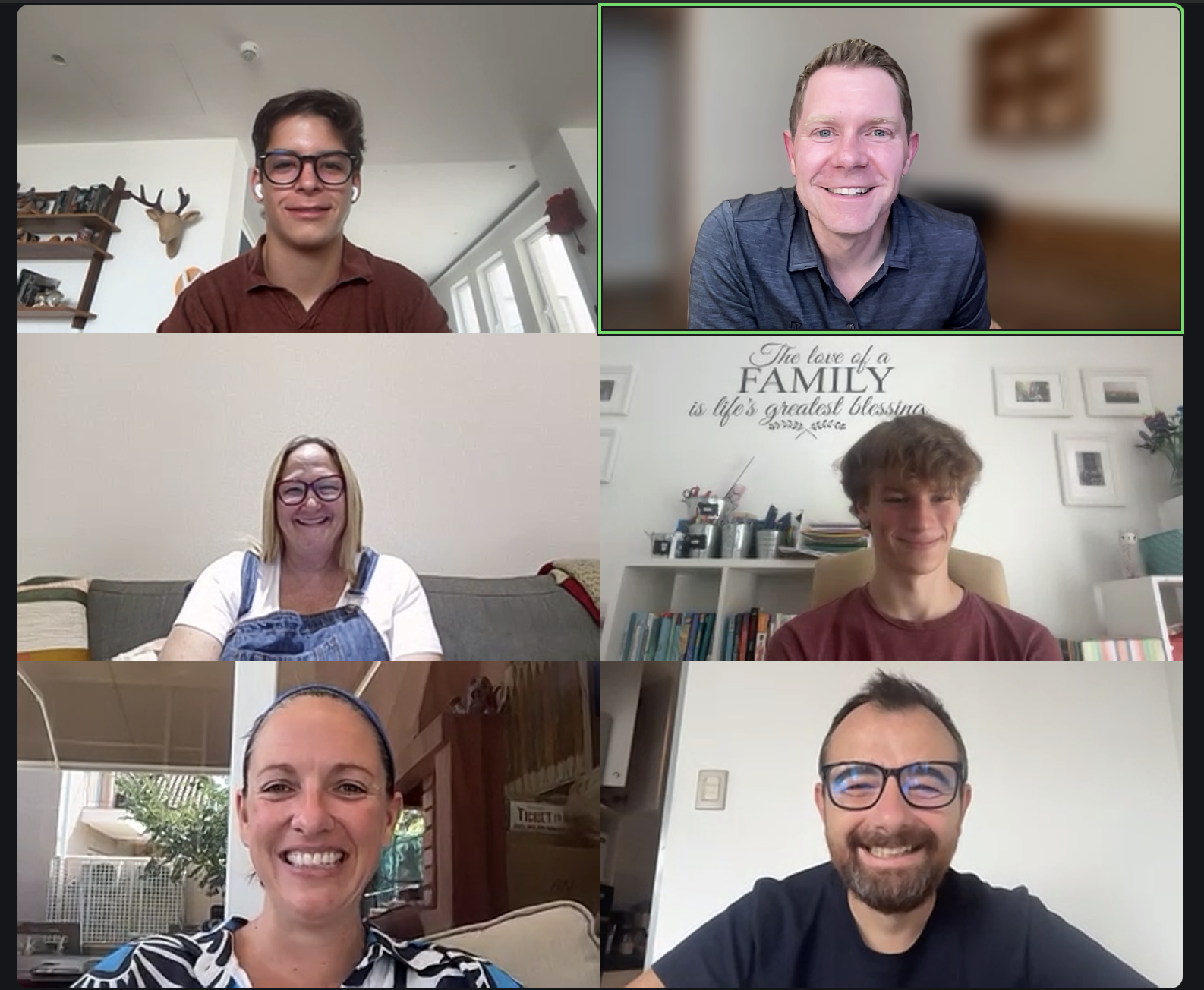
On our GID Project Lead Team, students are creating a network of GID students and will be reaching out soon with more information.
We can't wait to see what they create and the impact they have across our schools!
One of the tensions in learning design is balancing shared identity with local innovation. If everything is standardized, our schools lose the flexibility to respond to their students, cultures, and communities. If everything is completely local, the network loses coherence and the diploma stops representing a meaningful shared experience.
We have started using a simple metaphor to guide our decision-making: Above the Waterline and Below the Waterline.
Local
Above the Waterline
Elements at our schools that we can adapt, innovate, and share out.
Global
Below the Waterline
Agreements and alignments across GID schools.
Changes here go through a longer process.
For anything above the waterline, schools are encouraged to experiment, adapt, and innovate in ways that serve their learners and context.
Examples include:
If one of these experiments does not work perfectly, the consequences are limited and the learning is valuable. In fact, we want schools to generate many small experiments so that the network as a whole becomes more adaptive and creative.
These are decisions that affect the credibility and long-term integrity of the Global Impact Diploma. Because the consequences extend beyond a single school, they require broader consultation and shared stewardship.
Examples include:
These alignments allow us to collaborate globally and build the trust that schools, students, and families place in the GID.
One of our greatest strengths is our collaborative community. Instead of hiding in our silos, we make the extra effort to jam together on a range of initiatives that push the GID forward.
After working with our former Steering Team and our new Project Leads, the core objective for 2026–2027 was easy to agree on:
Core Objective 2026/2027
Explore ways to strengthen our collaborative foundation so that every member of our GID Community feels part of something meaningful, innovative, honest and impactful.
Nothing in the growth areas of this report is left without a team.
Guided by our core objective, nine projects now carry their own leads, objectives, and set of impact experiments. Here is an overview, and you can learn more in the full document:
Joe Bonnici, Christian Holmes
Foster a culture where students and educators engage deeply with the complexity of competencies, while connecting them to meaningful impact.
Gurveer Brar, Jaclyn Barnhart, Joe Bonnici
Create a professional learning experience that nudges educators to engage in meaningful professional growth and build connections with peers around the values and implementation of the GID.
Jaclyn Barnhart
Create a framework for structured reflection and feedback where students examine their impact holistically, honestly and continuously.
Justin Clouden
Foster the creation of meaningful and impact-driven real-world experiences for GID students around the world.
Rebecca Greenall, Luna Barbosa, Juwon Kang, Angella Nwolisa
Strengthen authentic student agency by creating meaningful opportunities for students to lead, collaborate, influence decision-making, and help shape the future direction of the program.
Justin Clouden, Ben Thrash
Articulate the lived experience of GID students and teachers around the world through stories of impact.
Corey Topf
Create collaborative experiences, shared stories, and engaging trainings so that everyone has clarity about what is global and local in the GID.
Ben Thrash
Convene a collaborative network of independent schools committing to the GID, to develop shared frameworks, professional learning, and research examining student outcomes.
Corey Topf
Build a collaborative, transparent governance and finance model that protects the global mission while remaining adaptable and innovative.
The six competencies launched as a first iteration knowing we will be adapting them as we put the competencies into practice. For 2026–2027 each course centers on one of them, so feedback can go deep on a single competency rather than thin across all six.
We are also gathering evidence from courses on which learning outcomes are being assessed heavily and which are barely touched. By Year 3 that should tell us whether six is still the right number, or whether some of them belong together.
Competencies are never truly mastered. They are contextual and recursive, and they keep evolving as learners step into new challenges and new contexts. So the question is not whether a student has finished one. It is what they can see about their own growth.
Impact 360 is how students will track that for themselves. They document evidence through the Impact Portfolio, and they take part in ongoing Competency Conversations with their coordinators.
Those conversations do not ask a student to prove a competency has been achieved. They ask what an experience actually meant, what patterns are starting to show, and where growth is still unfolding. Coordinators model the same honest reflection, because the goal is to build deep self-awareness and a drive to improve.
The Impact Portfolio and the Impact Exhibition give that practice a structure. What we are really after is a learner who carries it with them into whatever comes next.
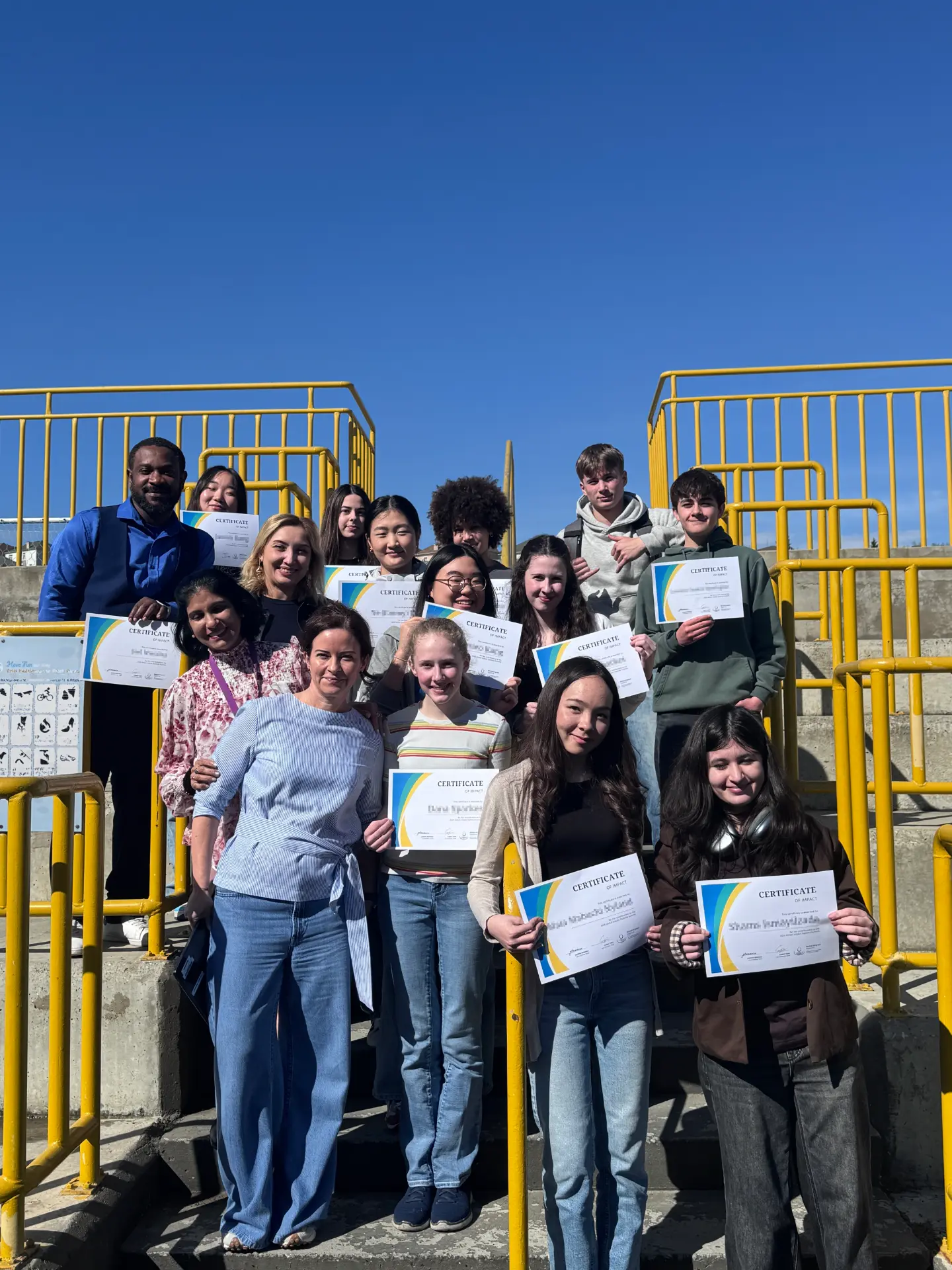
Share a story of impact from this year that already stands out at your school, or tell us a story of impact you’re looking forward to seeing in your students or community!
500 characters left40 characters minimum
No notes yet
Nothing on the wall yet.
The first note sets the tone for the rest.Every note on this wall gets read when we sit down to write the next report. Thank you for adding to this one. The GID team wishes you an impactful year ahead!